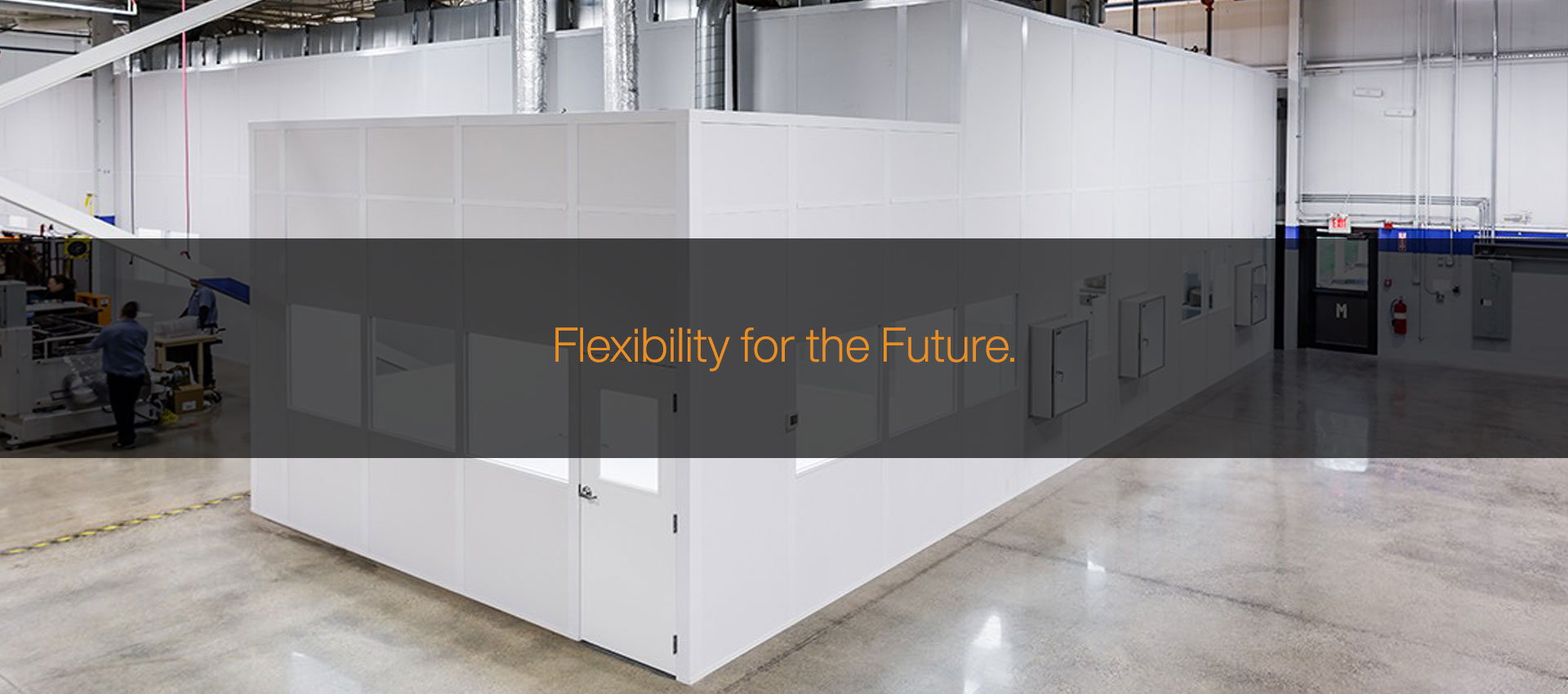
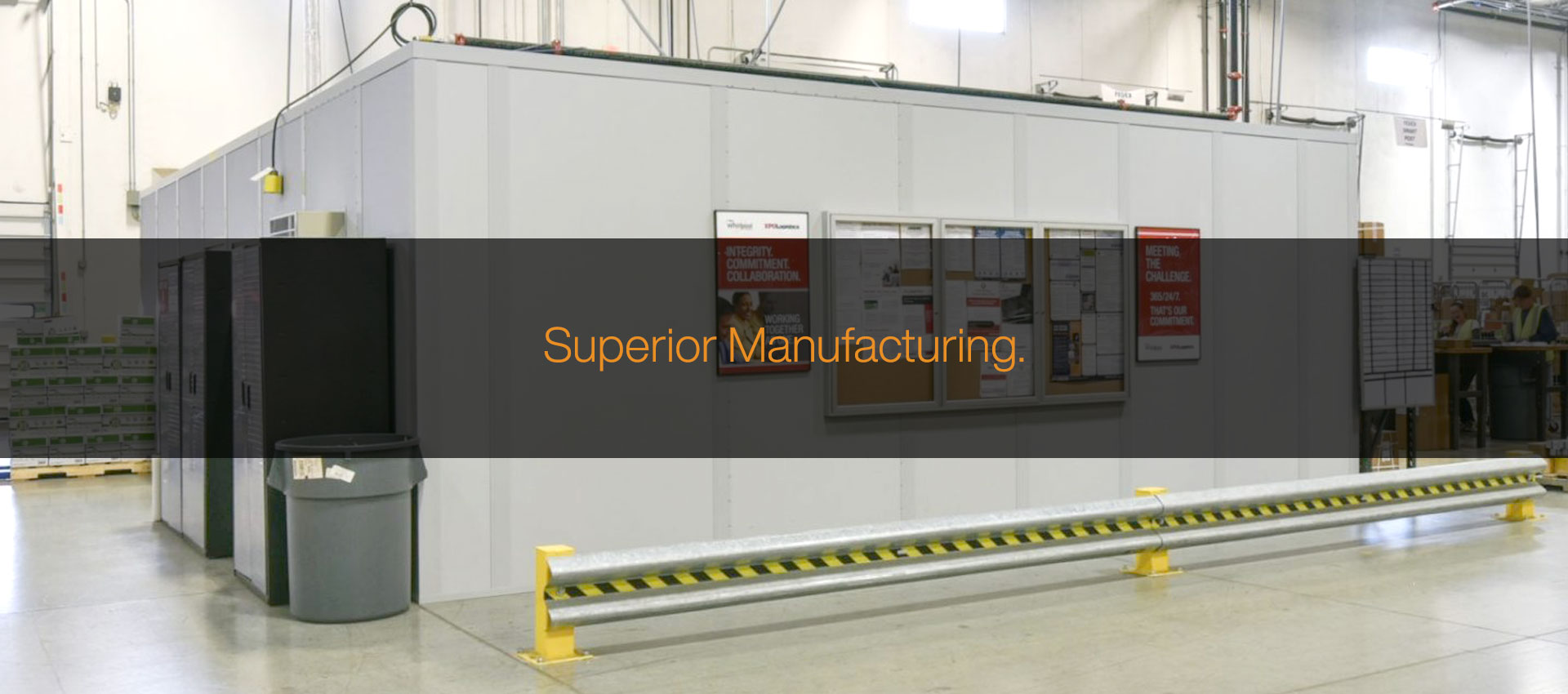
Pre-Engineered Modular Wall Systems

Flexibility for the Future

Our Pre-Engineered Modular Wall Systems are different because of our genuine emphasis on higher quality materials and exacting
standards. This means faster installations and an accelerated return to normal business operations for our clients.
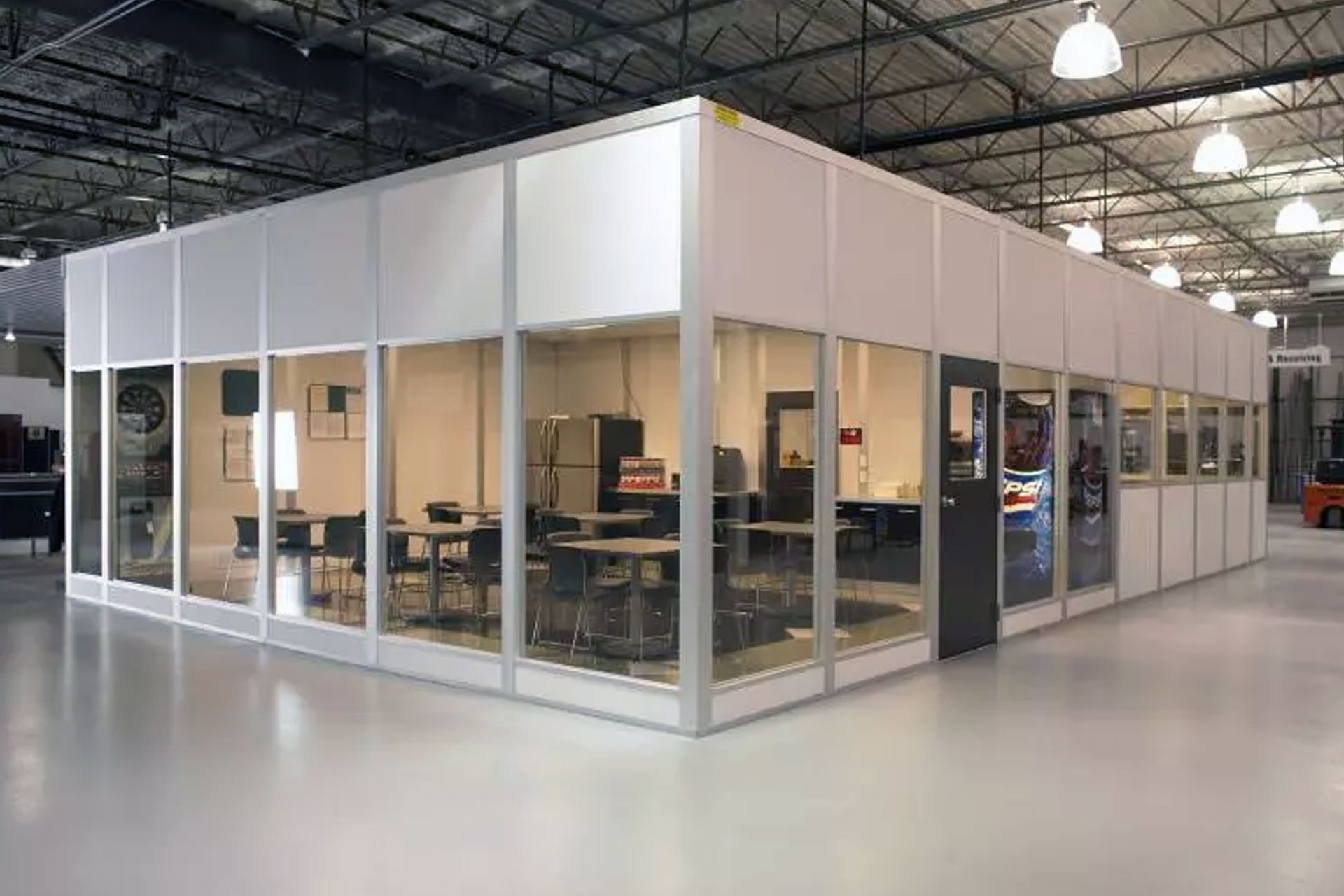
Modular Offices

Made from the highest-quality materials and according to your exact specifications, our pre-engineered Modular Offices are the perfect the solution for your facility and your employees needs.


Clean Rooms

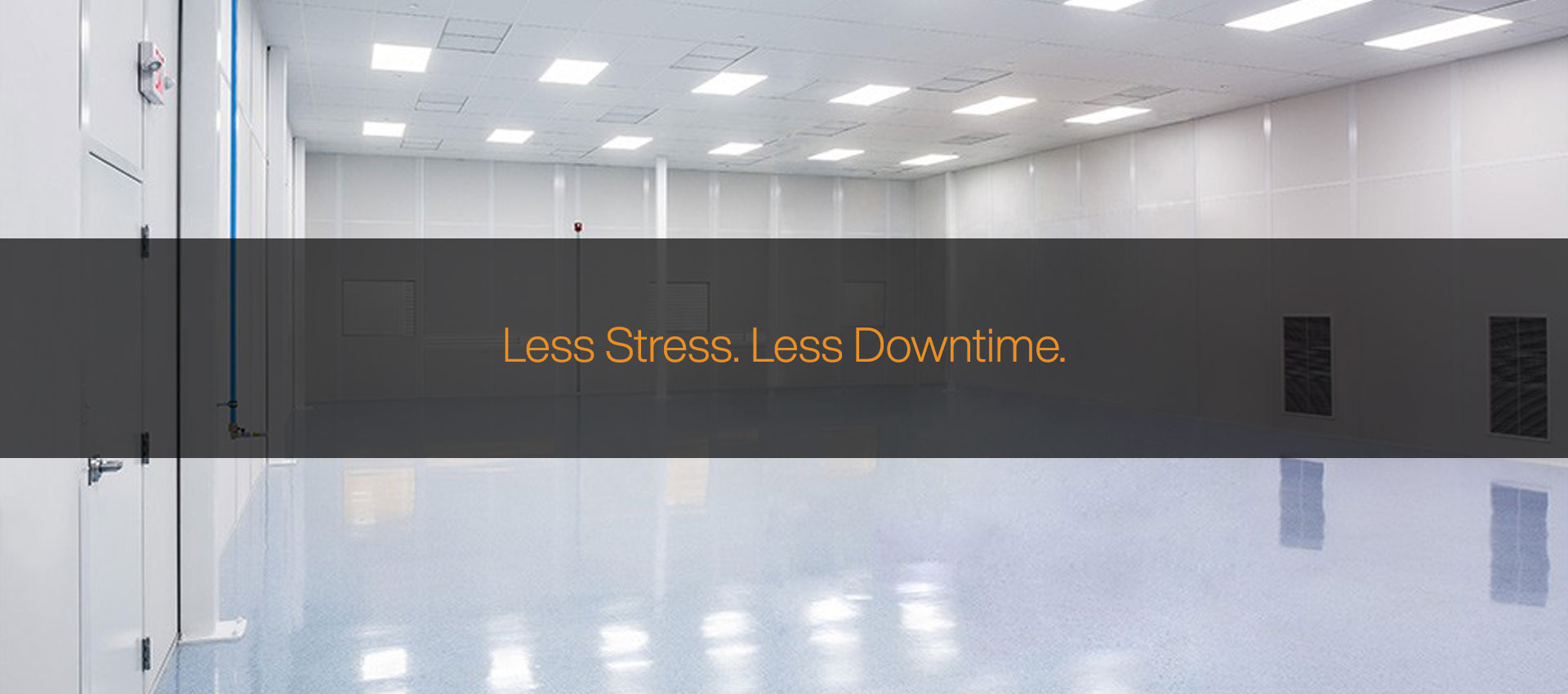
Our modular cleanrooms rely on prefabricated components to deliver an environment that meets even the strictest cleanroom classification requirements. Modular cleanrooms offer the same benefits of a traditional cleanroom but are faster and more affordable to install, and are easily reconfigured or expanded to meet your facility’s changing needs.


Keep it flexible with modular, in-plant offices!

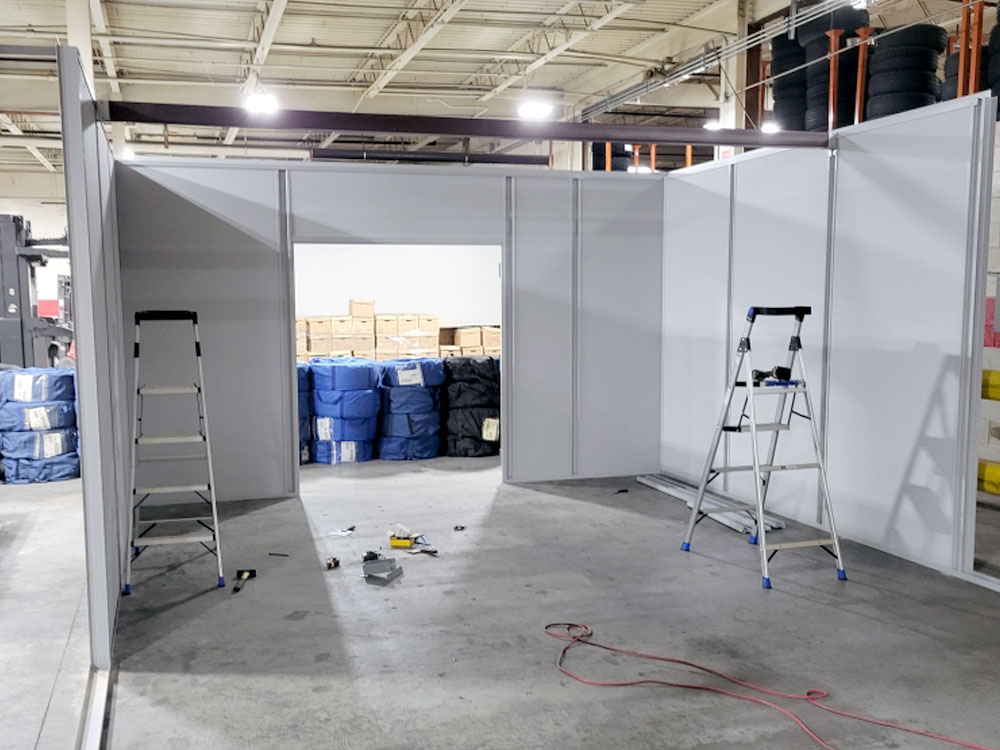
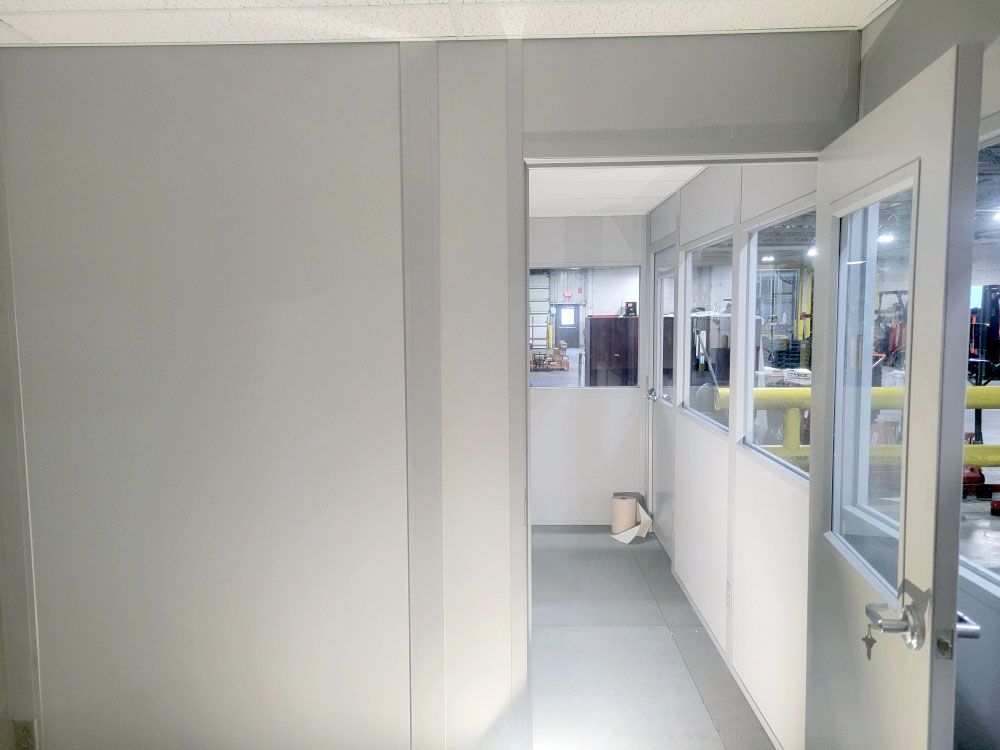
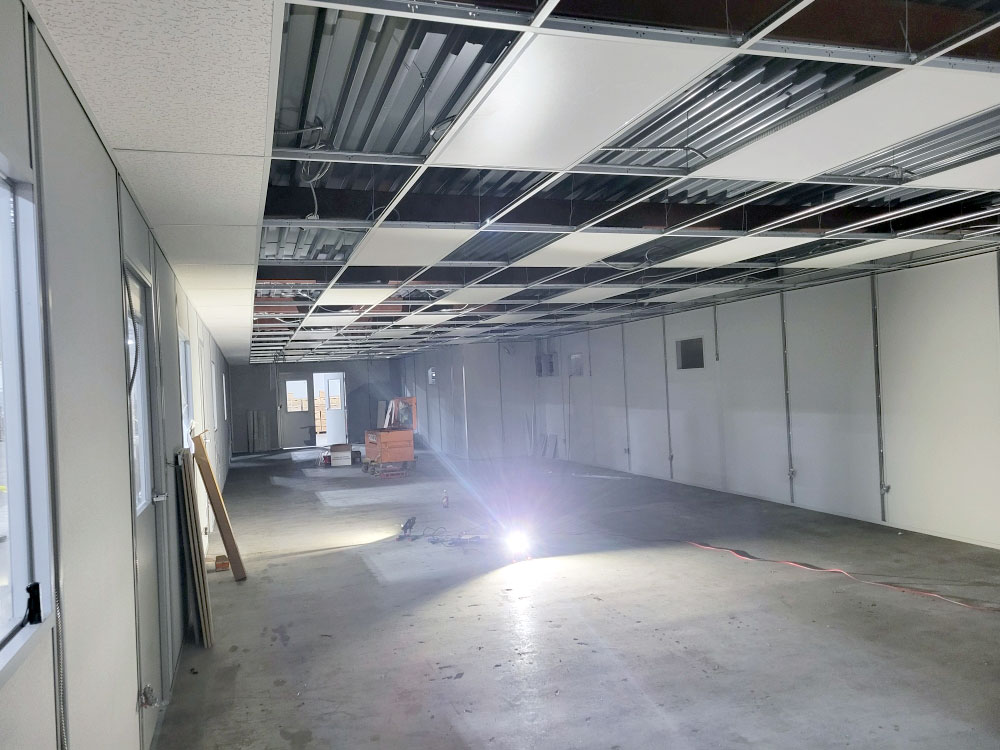
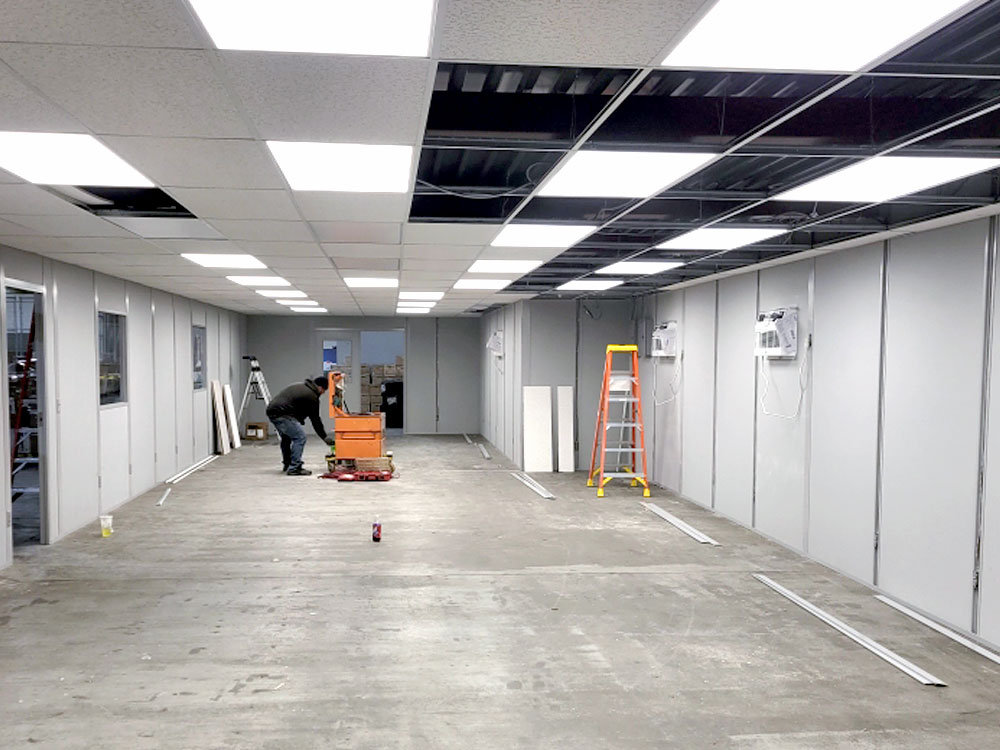
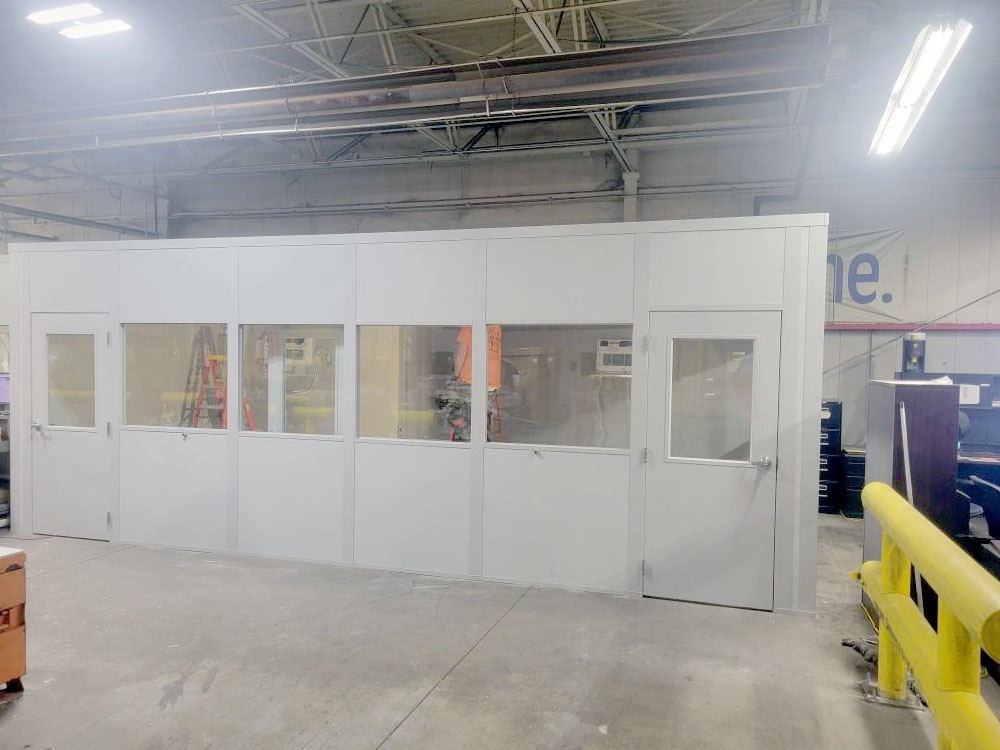
Our team designs, builds and installs pre-engineered, modular offices and clean rooms. Here are some of our favorite installation projects.
Pre-Engineered Modular Wall Systems FAQs

An in-plant office is a modular office unit that is typically installed within a manufacturing or industrial facility. These offices are designed to be quickly and easily assembled within the confines of an existing building, using modular walls and panels.

In-plant offices are commonly used as administrative or managerial spaces, as they provide a quiet and private workspace within a noisy and busy manufacturing environment. They can also be used as break rooms, conference rooms, or storage areas.

In-plant offices can be customized to fit the specific needs of a particular facility, and can include features such as HVAC systems, electrical outlets, lighting, and soundproofing. They are typically made from durable materials, such as steel or aluminum, and can be designed to match the aesthetics of the surrounding facility.
An in-plant office can be used for a variety of purposes within a manufacturing or industrial facility. Here are some of the most common uses:

  1. Administrative offices: In-plant offices can be used as administrative or managerial spaces, providing a quiet and private workspace within a noisy and busy manufacturing environment.
  2. Break rooms: In-plant offices can be converted into break rooms, providing a comfortable space for employees to take a break and relax during their shifts.
  3. Conference rooms: In-plant offices can be used as conference rooms, providing a private space for meetings and discussions.
  4. Storage areas: In-plant offices can be used as storage areas for equipment, supplies, or inventory.
  5. Quality control rooms: In-plant offices can be used as quality control rooms, providing a separate area for inspecting and testing products.
  6. Shipping and receiving offices: In-plant offices can be used as shipping and receiving offices, providing a dedicated space for coordinating and tracking incoming and outgoing shipments.
  7. Engineering and design offices: In-plant offices can be used as engineering and design offices, providing a dedicated space for research, development, and design activities.
Overall, in-plant offices offer a flexible and customizable solution for creating functional workspaces within a manufacturing or industrial facility.
A modular cleanroom is a controlled environment that is designed and constructed using modular components. It is a type of cleanroom that can be easily assembled and disassembled, making it a flexible solution for a variety of industries that require a controlled environment for manufacturing, research, or testing purposes.

Modular cleanrooms are typically constructed using prefabricated panels and components, which are designed to meet specific cleanliness and safety standards. These panels are made from materials such as steel, aluminum, or plastic, and are often coated with a smooth, non-porous finish that makes them easy to clean and sanitize.

Modular cleanrooms can be customized to meet the specific needs of a particular application, and can be configured in a variety of sizes, shapes, and layouts. They can be designed to meet various cleanroom classifications, ranging from ISO Class 9 to ISO Class 1.

Some of the key benefits of modular cleanrooms include:

  1. Flexibility: Modular cleanrooms can be easily modified or relocated to meet changing needs or requirements.
  2. Cost-effectiveness: Modular cleanrooms are often more cost-effective than traditional cleanroom construction, as they require less time and labor to assemble.
  3. Ease of installation: Modular cleanrooms can be installed quickly and with minimal disruption to existing operations.
  4. Compliance: Modular cleanrooms are designed to meet specific cleanliness and safety standards, ensuring compliance with regulatory requirements.
Overall, modular cleanrooms are a versatile solution for a wide range of industries that require a controlled environment for manufacturing, research, or testing.